
In the fast-paced, unforgiving world of industrial cleaning and maintenance, the temptation to cut corners by choosing the cheapest cleaning agent can be strong. But it’s an approach that often backfires—leading to hidden costs, equipment failures, and persistent cleaning headaches that drain valuable time and resources. For plant managers, maintenance teams, and operations leaders, the stakes couldn’t be higher: the decision aroundchoosing the right industrial cleaning productsdirectly impacts production uptime, equipment longevity, and total cost of operation.
To demystify this critical decision, we turn to Lisa S. Wilson, founder and President of L.S. Wilson & Associates, Inc. With a track record spanning more than thirty years and deep expertise in heavy-equipment, transportation, and manufacturing environments, Lisa has seen what works—and what fails—when it comes to industrial and locomotive cleaning solutions. Her perspective, honed by decades of hands-on consulting and problem-solving, reveals why “cheap” cleaners are rarely a bargain and how the right approach transforms cleaning from a cost center to a value driver. Let’s dive into Lisa’s essential guide for making the smartest, most cost-effective choices for your facility’s cleaning needs.
Lisa S. Wilson’s Core Message: Why the Cheapest Industrial Cleaner is Costlier in the Long Run
“The biggest challenge is thinking that you can just go out and buyanycleaner. If you just buy the cheapest cleaner, and you think that by buying the cheapest cleaner, you can get the parts clean”.
That’s just not true.”
— Lisa S. Wilson, L.S. Wilson & Associates, Inc.
Lisa S. Wilson’s decades-spanning view exposes a common—and dangerous—misconception in the world of choosing the right industrial cleaning products.
While Lisa’s main focus is on cleaning products for part and power washers, they can also be used for industrial equipment. Interior and exterior of locomotive rail cars and the interior and exterior of passenger rail cars. These cleaners can also be used for semi-truck washing, buses and construction equipment. Some of her products can even remove cement from cement trucks. We also do rust removers and inhibitors.
Many decision-makers assume that cleaning chemistries are all fundamentally the same; thus, opting for the lowest price seems logical. Yet, as Lisa repeatedly emphasizes, this approach can be deceptive, causing not only disappointing cleaning results but also spiraling long-term costs. “There’s so much more at stake than what meets the eye on an invoice,” she points out. According to Lisa, the initial price tag rarely represents the full story. Cheaper formulas often contain fillers, diluted chemicals and sub-optimal chemistry that struggle to get off tough industrial soils.—meaning more labor, using more of the cleaner and longer machine run times.
It’s a philosophy that resonates at every level of industrial operations. Cutting corners in product selection might reduce today’s spend, but it sacrifices tomorrow’s reliability and performance. Lisa’s extensive experience supporting manufacturing plants, rail maintenance bays, and heavy-equipment operations underlines this reality: Facilities that chase “bargain” cleaners often pay for it through increased downtime, excess maintenance, and hidden production costs. In her own words, “If you buy cheap, it’s actually gonna end up costing you more money.” The costliest mistake? Ignoring the long-term impact that ineffective or ill-matched products have on both cleaning results and the bottom line.
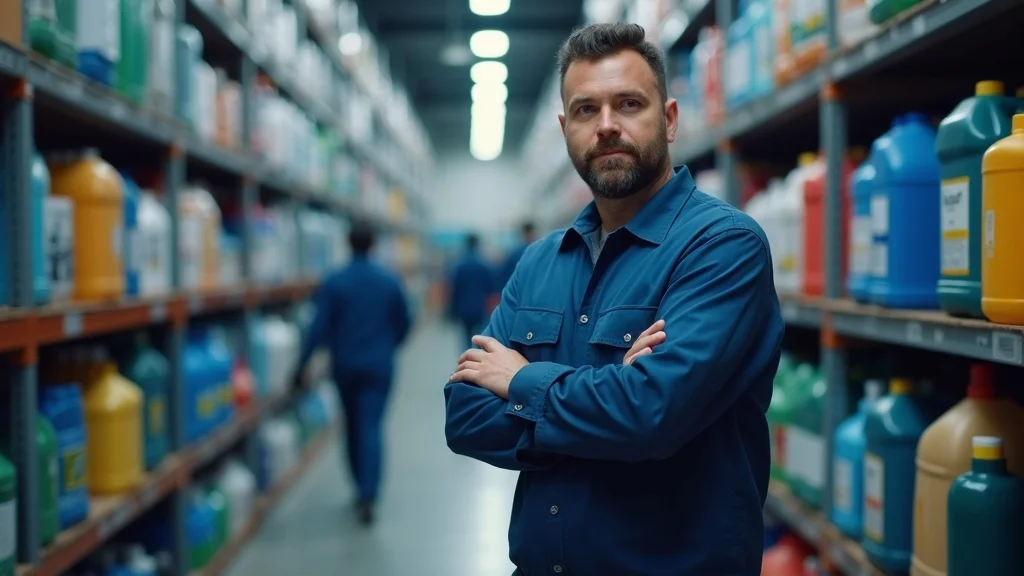
Understanding Total Cost: Beyond Upfront Price in Choosing Industrial Cleaning Products
“Look at more than just the price. Look at the total cost. Look at potential production downtime. It will reduce the amount of time it takes to clean the parts while improving your efficiency.”
— Lisa S. Wilson, L.S. Wilson & Associates, Inc.
Price tags may drive spending decisions, but Lisa S. Wilson urges industrial leaders to expand their vision and weigh total cost of ownership. According to Lisa, the “sticker shock” of concentrated, higher-quality cleaners only tells part of the story: “It’s what happens after you place the order that really counts.” Cheap, underperforming products frequently leave residues that require repeated rinse cycles, or fail to remove embedded greases and soils, resulting in rework, increased labor hours, and sometimes even compromised quality control. In high-stakes sectors like locomotive or manufacturing, even a single hour of avoidable downtime can wipe out any perceived savings from “bargain” cleaning solutions—and then some.
Lisa’s practical insights go further: She highlights the way ineffective cleaners contribute to added stress on critical equipment and cleaning systems. This cumulative “invisible expense” quickly dwarfs the incremental savings from choosing a cheaper cleaner. Strategic thinking about the full lifecycle cost—factoring in downtime, maintenance expenses, and production impacts—is essential for anyone tasked with choosing the right industrial cleaning products.
For those interested in practical, step-by-step approaches to evaluating cleaning solutions, exploring additional resources on industrial cleaning strategies can provide actionable frameworks for product selection and maintenance planning. You can find more detailed guidance in the industrial cleaning best practices section of our resource library.
Why Focusing Only on Price Increases Downtime and Maintenance Expenses
Lisa S. Wilson emphasizes that a narrow focus on price—while visually appealing in procurement spreadsheets—often invites a frustrating cycle of downtime and unbudgeted maintenance. “When the cleaning product doesn’t do the job right the first time, you’re not just losing time—you’re disrupting entire production schedules,” Lisa says. For busy maintenance teams and plant managers, repeated cleaning attempts drain both manpower and morale, as the same stubborn grime or residue resists elimination. In industries where every production minute is precious, downtime due to inadequate cleaning products can delay shipments, disrupt inventory management, and erode customer trust.
The consequences don’t stop at missed deadlines. According to Lisa, opportunistic use of “cheaper” cleaners can accelerate the degradation of high-value assets. Simply put, the hidden price of downtime and maintenance rapidly undermines any initial savings, reinforcing why choosing the right industrial cleaning products should always be a calculated, strategic decision.

Real-World Impact: A Locomotive Maintenance Success Story with Better Cleaning Products
“I got the customer to switch over from a less expensive powder product to a liquid product. It cleaned so well that not only did it clean the parts, but it actually cleaned the part washer itself.”
— Lisa S. Wilson, L.S. Wilson & Associates, Inc.
Lisa S. Wilson’s real-world experiences reveal the tangible difference made by informed product selection. She recounts a memorable case with a locomotive maintenance client who had relied on the cheapest powdered cleaning product. Powders, Lisa notes, may initially appear cost-effective but often include excessive fillers and lack the cleaning power needed for industrial soils. The result? Inconsistent cleaning, persistent residues on the parts themselves, and a build-up of grime in the part washer itself.
After Lisa guided them to a liquid formula precisely matched to their parts and contamination types, the transformation was immediate and dramatic. “Not only did the liquid cleaner deliver spotless parts every cycle—it actually maintained and cleaned the part washer, too,” Lisa shares. The improved chemistry dissolved built-up residues and protected both the equipment and the washing system, illustrating how choosing the right industrial cleaning product can literally change a facility’s operational trajectory for the better. The switch to liquid chemistry didn’t just cut labor, it extended equipment life and slashed maintenance downtime—delivering performance and cost savings that far outweighed any upfront price increase.
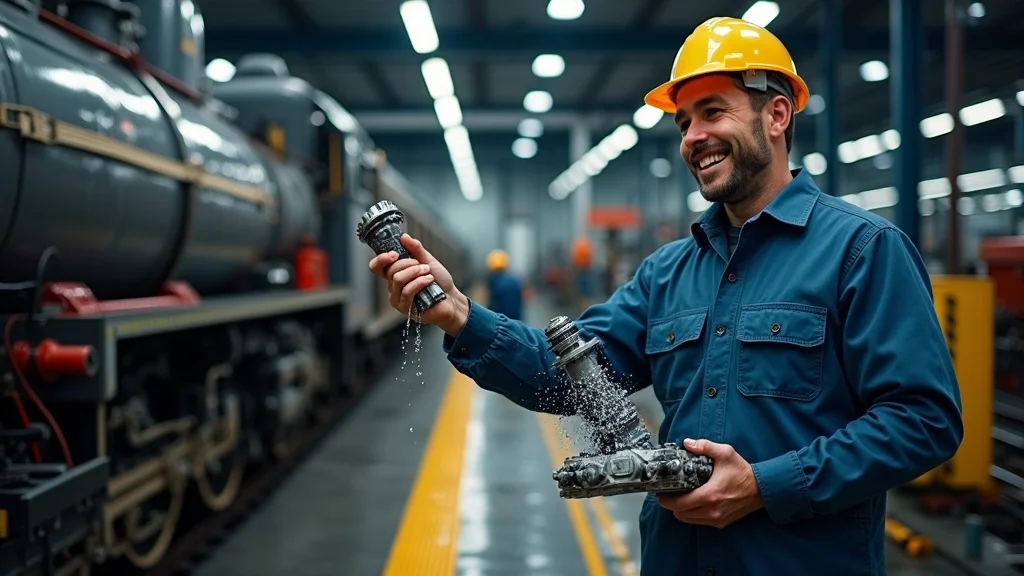
Why Liquid Cleaners Outperform Powders in Industrial Settings
Lisa S. Wilson highlights a critical contrast between powders and liquids: “Powdered cleaners can contain a lot of filler, which means less active ingredients are actually working on your soil.” In demanding maintenance situations—such as transportation yards or industrial plants—this inefficiency quickly compounds. “Liquids, with their higher concentrations of actives and tailored chemistry, provide faster and more thorough cleaning,” Lisa notes. This enhanced performance not only ensures contaminant removal but also reduces the frequency of cleaning cycles, labor costs, and the risk of recontamination.
The operational payoff? According to Lisa, facilities that invest in high-quality liquid chemistry see immediate returns: cleaner parts and consistently high cleaning outcomes. Over time, the improved chemical efficiency translates into measurable reductions in downtime and extended service intervals for expensive assets. It’s another powerful argument for why choosing the right industrial cleaning products is about putting performance—and protection—first.
The Dual Benefit: Cleaner Parts and Equipment.
One overlooked benefit Lisa identifies: Premium cleaning agents don’t just serve the equipment—they maintain the cleaning infrastructure itself. “When the cleaning product is doing its job, it doesn’t just leave parts spotless; it keeps your washers, pumps, nozzles, and tanks in better shape, too,” Lisa explains. This “self-cleaning” dynamic is crucial in high-volume facilities, where the buildup of sludge or chemical deposits can rapidly degrade or immobilize cleaning systems.
By transitioning to higher-performance cleaning products, Lisa’s clients routinely report fewer service calls for washer maintenance, less downtime for descaling or tank cleaning, and more predictable operating costs. It’s a dual win: Choosing the right industrial cleaning products not only optimizes the primary cleaning task but extends the operational life, reliability, and value of the facility’s own cleaning assets.
Selecting Optimal Industrial Cleaning Products: Key Strategies and Expert Recommendations
So, how can facilities translate Lisa S. Wilson’s principles into actionable product selection? Her expert advice centers on rigorous assessment, smart consulting, and science-driven choices rather than trial-and-error guesswork. Successful operations no longer rely on “gut instinct” or “lowest bid” strategy; instead, they combine industrial know-how, site-specific analysis, and technical validation to ensure cleaning solutions are perfectly matched to their equipment and contamination challenges.
As Lisa reiterates, technical tools such as soil assessment and titration deliver the precision needed to identify exact contamination loads and the corresponding cleaning chemistry required. “Accurately matching soil type on parts with cleaning product chemistry is the single biggest step you can take to avoid costly mistakes,” Lisa emphasizes. For facilities facing recurring cleaning failures or unpredictable cleaning results, expert consulting becomes invaluable for cutting through complexity and achieving fast, reliable improvements.
Assessing Contamination Types and Soil Loads Accurately
A foundational aspect of choosing the right industrial cleaning products is knowing precisely what needs to be cleaned. Lisa highlights that effective assessments must determine both the nature (oil, grease, rust, organic matter, etc.) and the amount of contamination present on surfaces. This step is vital: a cleaner effective against light organic residues may completely fail on heavy grease or mineral scale. “There’s no one-size-fits-all answer. Every cleaning challenge is unique—and skipping this assessment phase almost guarantees wasted product and subpar results,” Lisa warns.
Partnering with experts who use chemical assessment tools—such as titration or analytical testing—ensures product dosing is neither too weak (leading to repeat cycles) nor unnecessarily strong (driving up cost and risk). Facilities benefit from both optimal performance and cost efficiency, achieving the gold standard in industrial cleaning: thorough decontamination with minimal operational disruption.

Incorporating Expert Consulting to Avoid Costly Trial-and-Error
Lisa S. Wilson’s decades of industry experience have repeatedly demonstrated one truth: Consulting with a seasoned expert saves time, frustration, and money. “The costliest mistakes happen when facilities try to ‘wing it’ and guess which product might work,” she says. Expertise—rooted in both technical knowledge and real-world industry application—translates into faster, more reliable product matching, reduced trial-and-error cycles, and higher first-pass cleaning rates.
Many of Lisa’s clients come to her after months (or even years) of frustrating cleaning setbacks. With a structured consult—thorough facility walk-throughs, equipment inspections, chemistry reviews, and contamination mapping—she can immediately pinpoint the root cause of persistent issues. According to Lisa, “Leaning on expert advice means you not only solve today’s problem but build a smarter, safer foundation for future cleaning success.” This partnership approach is invaluable in complex or regulated environments like food processing, locomotive maintenance, or precision manufacturing.
Evaluate total cost including downtime and equipment wear
Match cleaning product chemistry to the specific types of soils and contaminants
Consider product impact on cleaning system maintenance
Use titration and chemical assessments for precise cleaner dosing
Leverage expert advice for tailored product selection
Turning Industrial Cleaning into a Cost-Effective Operation
The secret to upgrading industrial cleaning lies in treating product selection as a strategic investment, not a routine purchase. “Prioritizing proper evaluation and tailored product selection transforms cleaning from a routine chore into a precise and cost-effective operation.” That, Lisa S. Wilson insists, is where true savings and efficiencies emerge—when every dollar spent on cleaning products delivers measurable operational value, rather than hidden rework or repair bills.
By creating a culture of informed decision-making, facilities can break the cycle of recurring cleaning failures and equipment headaches. Lisa’s approach—anchored in science, technical consultation, and careful analysis—gives teams the confidence to take control of cleaning costs and reliability instead of scraping by with “good enough.” Ultimately, this turns cleaning from a line-item cost into a competitive advantage.
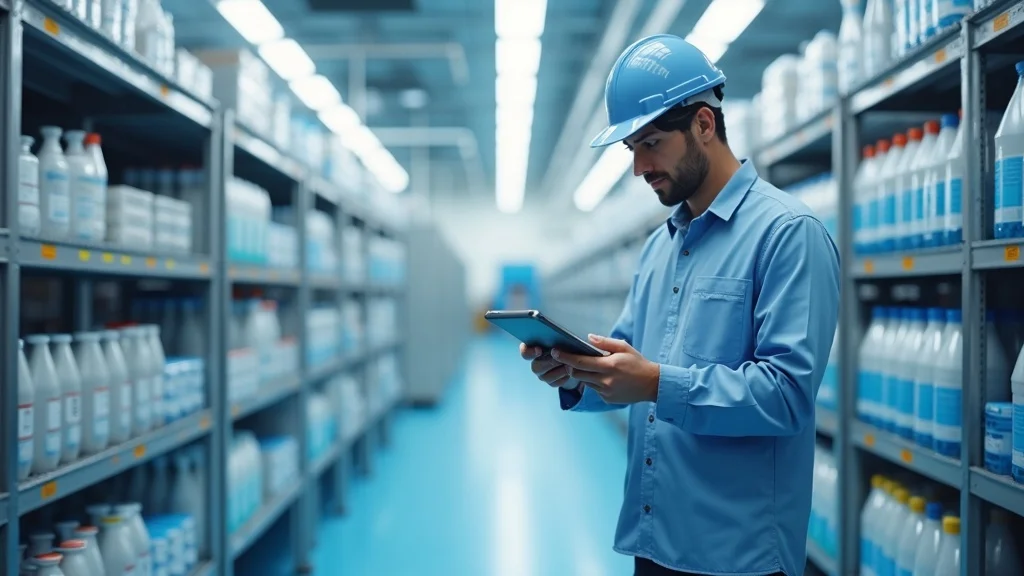
How Strategic Product Selection Improves Equipment Reliability and Cleaning Outcomes
A shift from price-based buying to strategic selection directly enhances quality cleaner parts, Lisa notes. With the right cleaning solution, machines run cleaner, maintenance intervals expand, and output standards are consistently met or surpassed. This translates into decreased emergency call-outs, steadier production schedules, and an environment where reliability isn’t just an aspiration—it’s the norm.
This dynamic is affirmed in study after study, and reinforced by Lisa’s firsthand work with industrial and locomotive clients nationwide: “When you stop viewing cleaning as a cost and start managing it as a value-added operation, the benefits multiply rapidly.” In a world where uptime is everything, choosing the right industrial cleaning products is the hidden engine that powers sustained success.
Leveraging Technical Expertise for Long-Term Savings and Safety
Lisa’s outlook on the long game is clear. Investing in technical advice and tailored cleaning solutions minimizes not just today’s cleaning headaches, but tomorrow’s safety incidents and premature asset losses. By calibrating product choices to operational, regulatory, and material needs, she equips teams to achieve both compliance and cost savings—while protecting staff and equipment.
“Prioritizing proper evaluation and tailored product selection transforms cleaning from a routine chore into a precise and cost-effective operation.”
— Lisa S. Wilson, L.S. Wilson & Associates, Inc.
This is why organizations serious about uptime, risk management, and predictable operations consistently turn to expert-guided product selection. The right decisions, Lisa argues, “give you back hours, safety margins, and confidence.” For companies striving to cut cleaning-related costs without risking reliability or compliance, Lisa’s playbook offers a proven path forward.
Conclusion: Make Smarter Cleaning Choices Today to Save Costs and Improve cleaning effectiveness.
Avoid deceptive savings by cheap cleaners that increase downtime
Focus on total cost—not just price—to protect your parts and equipment
Adopt expert recommendations for optimal cleaning performance

Effective industrial cleaning begins with knowledge, not guesswork. Facilities that embrace the total cost approach—balancing upfront cost, performance, equipment health, and downtime risk—set themselves apart. According to Lisa S. Wilson, ignoring these factors is an invitation to recurring failures and escalating costs, while strategic selection delivers compounding returns in reliability, safety, and budget. Her core message echoes beyond cleaning: Smart decisions are those that consider tomorrow, not just today.
Are you ready to eliminate cleaning headaches, reduce maintenance emergencies, and achieve a new standard of operational excellence? Call Lisa at (262) 891-2314 or visit industrialandlocomotivecleaningsolutions.com to tell Lisa what you need and get tailored expert recommendations.
If you’re looking to deepen your understanding of how industrial cleaning fits into a broader facility management strategy, our collection of articles on operational efficiency and maintenance planning offers valuable perspectives. By exploring these resources, you’ll discover advanced techniques and holistic approaches that can further optimize your cleaning processes and support long-term equipment reliability. Take the next step toward mastering your facility’s performance by reviewing the latest insights in our comprehensive industrial cleaning knowledge base—and unlock new opportunities for cost savings and operational excellence.